


How ERP Software Helps Businesses Manage Their Operations in One Place
Suppose there's a company where the sales staff utilises one spreadsheet, the finance team works with another application, the warehouse keeps their own inventory records and the management team contacts everyone for updates, spending hours each day. Sounds familiar?
This is where things get complicated. Any missed reports, such as incorrect stock or a delayed update, can impact the entire business. As a firm grows, it becomes increasingly difficult to keep all the aspects of the business running separately.
So, how can businesses get all these moving pieces working in harmony? The solution is ERP software.
Simply Put, What's ERP Software?
ERP stands for Enterprise Resource Planning. It can simply be defined as a software system that integrates a variety of business activities in a single place. Businesses can have one integrated platform that takes care of all their affairs, rather than having to use several tools for various departments.
Consider a manufacturing business. The sales team takes an order, the inventory team checks inventory, the production team makes a plan on how to manufacture, and the finance team prepares an invoice. ERP software allows these departments to have all the updated information they need, without constant phone calls or emails between them.
Multiple Business Operations in One System
The major benefit of ERP software is that it links various departments:
- Finance and Accounting: Keeps track of expenses, payments, invoices, budgets and financial reports.
- Inventory Management: Keeps track of stock levels, product movement and materials available.
- Human Resources: Maintains employee records and attendance, processes employee payroll and performs other HR-related tasks.
- Sales and Purchase: Records customer orders, supplies, purchases and transactions.
- Production Management: Supports businesses in organising production, tracking resources and managing procedures.
Everything cooperates, so you don't need to re-enter the same information over and over again.
Reduce Labour Requirements and Increase Business Growth
How much time does a business waste when employees are updating spreadsheets, manually looking for invoices and checking inventory?
These are all little chores that can eat into your working hours. ERP software can streamline repetitive tasks, minimise data entry errors, and enable staff to concentrate on more critical tasks.
Based on the 2025 ERP Report from Panorama Consulting, 81.8% of the surveyed organisations that expected to gain productivity and efficiency did so. It demonstrates the value of a connected system to daily activities.
Real-Time Information for Better Decisions
Suppose the owner of the business wants to know how much stock to have in the store, which product is the most popular and how much money the business has made in the current month. If no central system is in place, this information would take hours to collect. With ERP, vital business data can be accessed via a single dashboard.
This enables managers to get a better idea of what is going on in the business. They are able to detect issues at an early stage, make informed purchasing decisions, manage costs and expenses, and make decisions based on facts and business data instead of assumptions.
What Is Driving Businesses to Opt for ERP?
Businesses are increasingly adopting ERP systems to streamline their processes. The Central Statistics Office Ireland reported that ERP software was used by 34.7% of enterprises in 2025, with 78.7% of large enterprises adopting it.
The reason is simple: businesses require more than individual software programs for individual departments. They require a system that links everything.
The Bottom Line
Running a business is hard enough. It shouldn't be made more difficult by managing disconnected systems. ERP software connects people, processes and information in a single location so that businesses can save time, avoid mistakes and function more efficiently.
Finally, it's not just about running operations. It's about giving businesses more time to focus on where they want to go, and more control over how they get there.
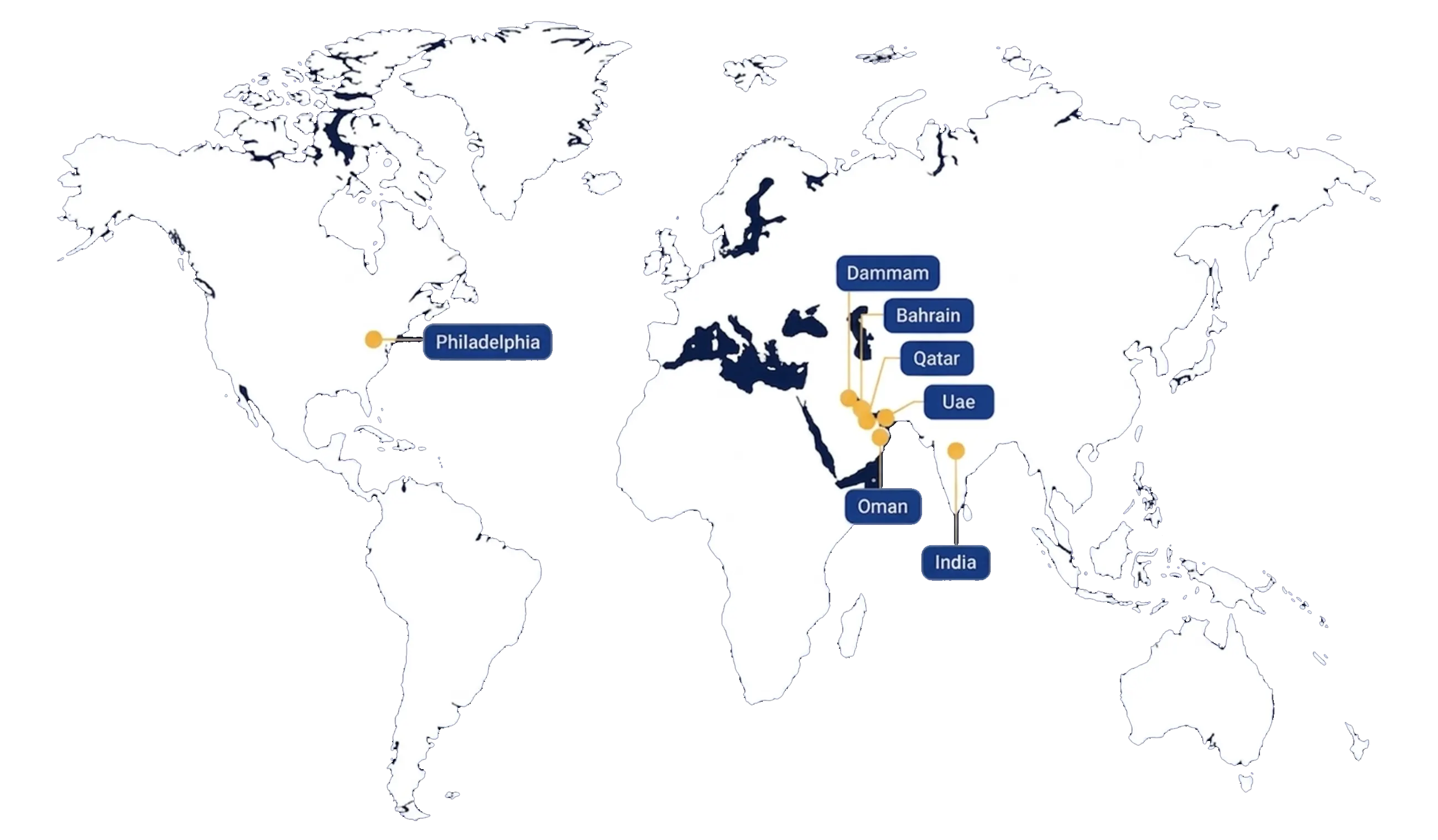

 United States of
America
 United Arab
Emirates
 INDIA